
The Solution
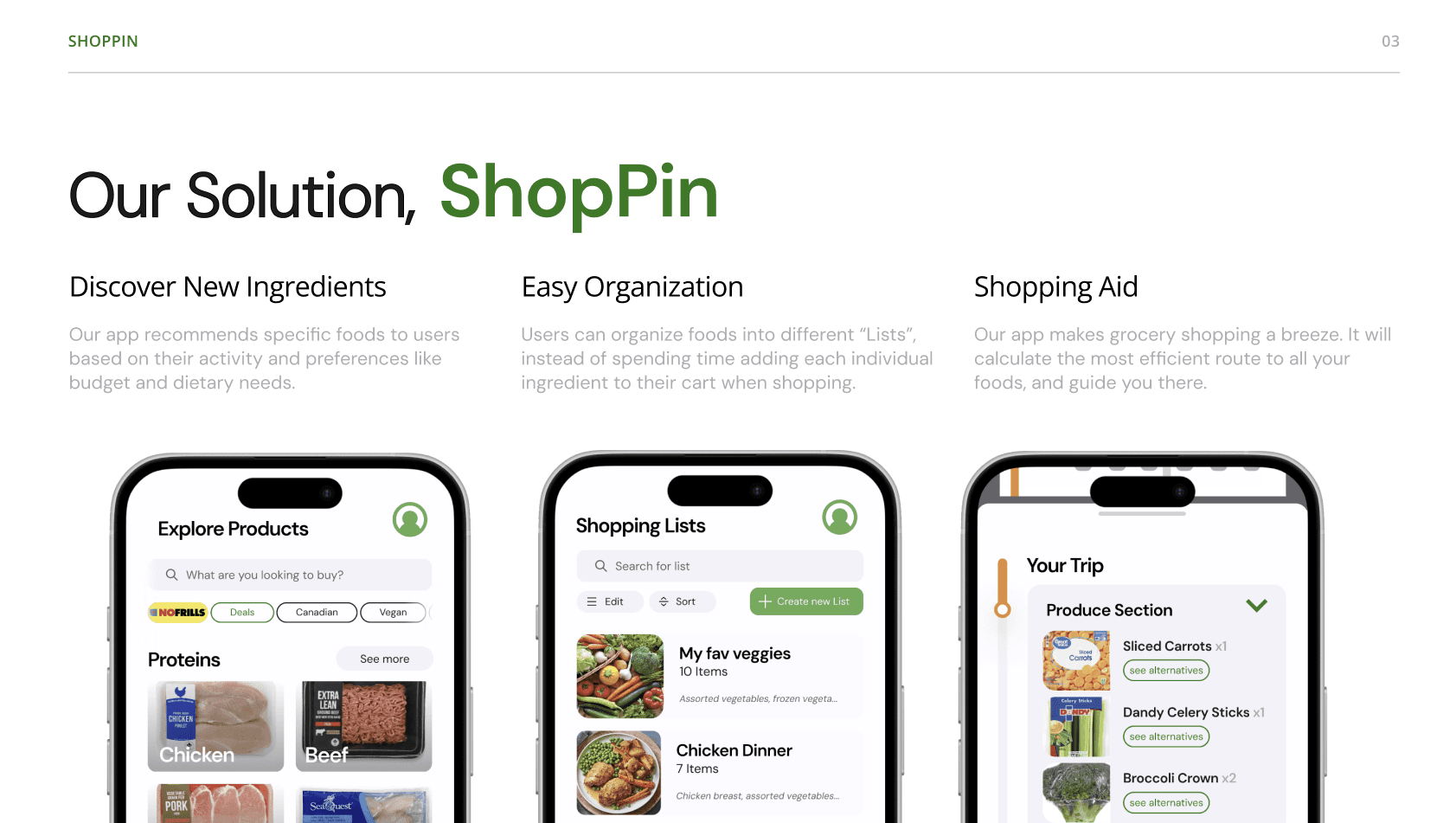
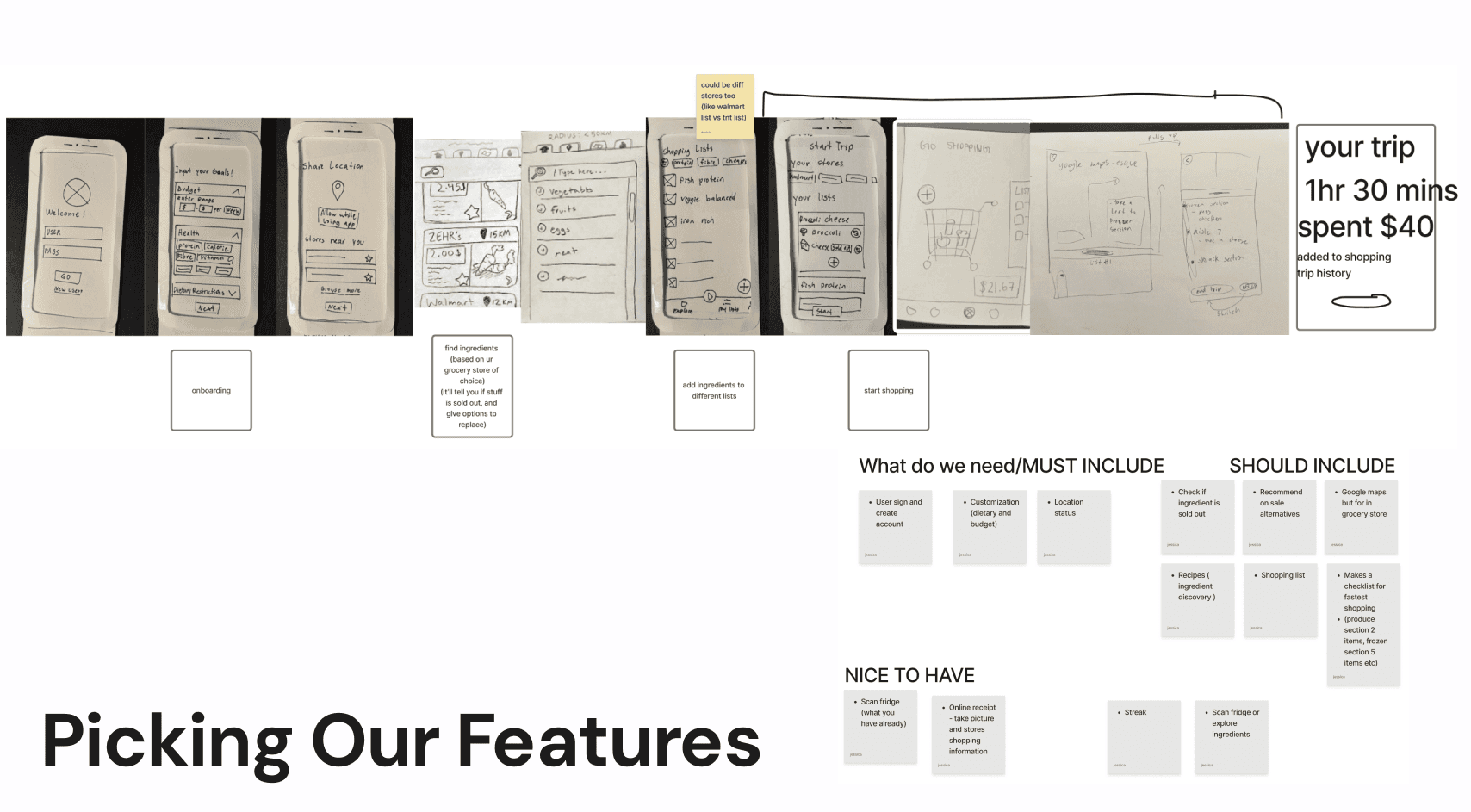
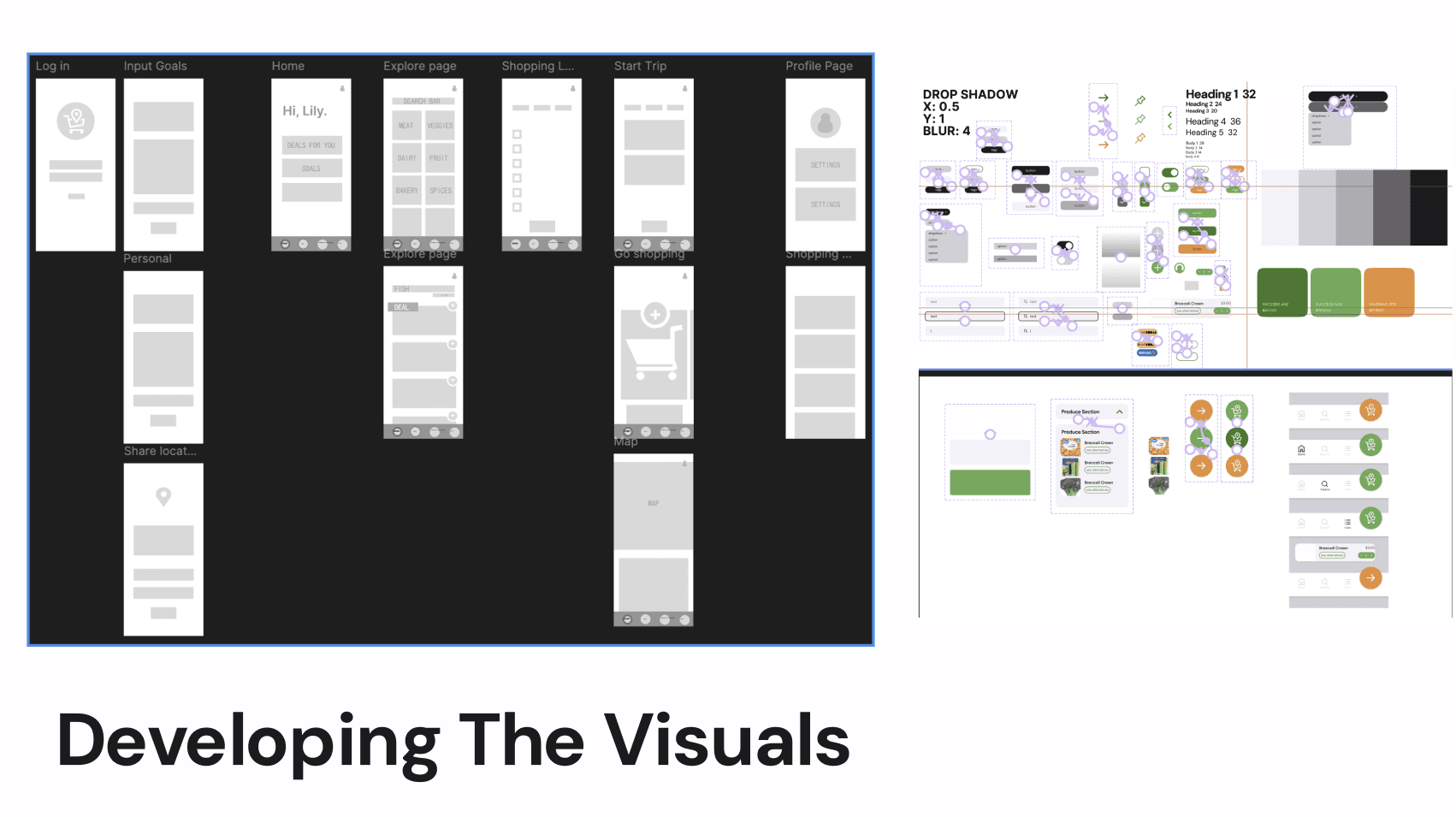
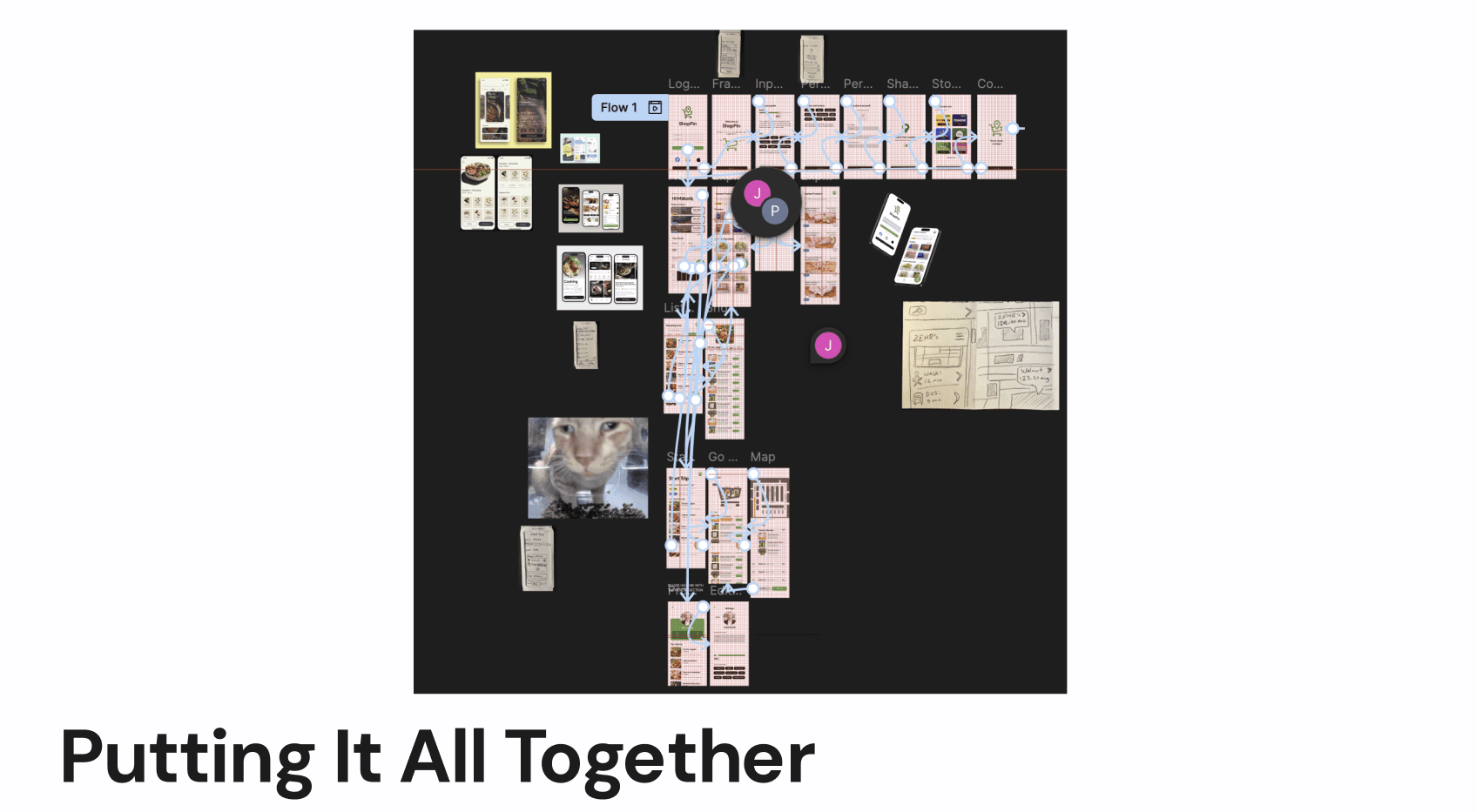
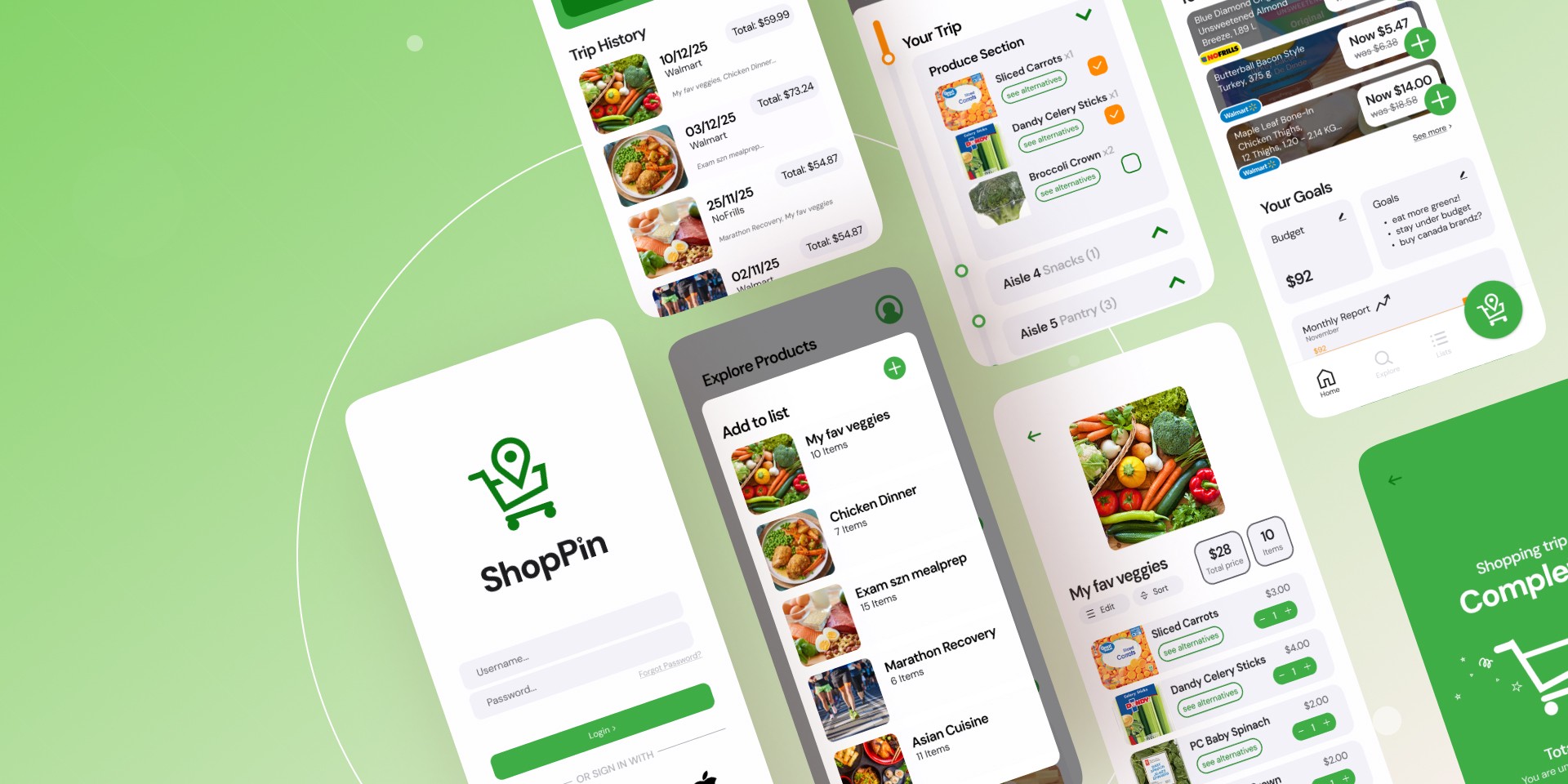
With these insights, and after testing our early low-fidelity prototypes, we developed ShopPin, a grocery shopping aid designed specifically to make grocery trips faster, more organized, and less stressful for students. After analyzing each of our prototypes, we selected and combined certain aspects from each of our designs to develop this shopping tool targeted towards students to help with saving time in grocery shopping. We’ve included 3 key features to meet our goals:
Process
We conducted extensive research on statistics regarding students and budgeting. We Used this research to build an understanding of what our app is supposed to achieve, and what features we should add.
By speaking with users, we hoped to collect information in regards to two of the most prevalent issues presented by student grocery shopping. The primary issues we wanted to collect data on consisted of budgeting and accessibility of grocery stores (ie. transportation). By speaking with users, we hoped to understand the meal planning habits of students and what the common budgeting methods were. Amongst the students who budgeted, we hoped to uncover their tactics and habits, gauging weekly spending totals and apps or tools used to make budgeting easier. By exploring individual student habits regarding grocery shopping, we hoped to grow an understanding of common themes in the difficulties presented by grocery shopping amongst our users. So, we interviewed 12 university students to explore what the pain points were.
What We Discovered
User Tests
We asked real students about their experience with our prototype. Each of us conducted 3 interviews, and with 12 interviews we discovered the key insights about what features we need to add to our app.
Outcome
With ShopPin, students with busy lives are able to save time, shop smarter and make the transition from adulthood to post-secondary life just a little bit easier!
⠀⠀⠀⠀⠀⠀⠀⠀⠀⠀⠀⠀⠀⠀⠀⠀⠀⠀⠀⠀⠀⠀⠀⠀⠀⠀⢀⠀⠀⢀⠀⠀⠀⠀⠀⠀⠀⠀
⠀⠀⠀⠀⠀⠀⠀⠀⠀⢀⣀⠀⠀⣀⣀⠀⠀⠀⠀⠀⠀⠀⠀⠀⢠⠞⠀⠀⠀⠐⢵⣂⠀⠀⠀⠀⠀⠀
⠀⠀⠀⠀⠀⢀⢤⣲⣽⣶⢲⠪⠋⠓⠛⠫⣷⣢⣄⠀⠀⠀⠀⠀⣾⠟⠀⠀⠀⠀⠀⢷⡇⠀⠀⠀⠀⠀
⠀⠀⠀⣠⣴⣻⣿⣿⠻⠉⠀⠀⠀⠀⠀⠀⠀⠙⣷⣥⠢⡀⠀⠀⢛⠁⠀⠀⠀⠀⠀⡻⠁⠀⠀⠀⠀⠀
⠀⠀⣴⡿⡹⠁⠉⠀⠁⠀⠀⠀⠀⠀⠀⠀⠀⠀⠠⠻⡷⡐⡄⠀⠈⠓⠷⠦⣤⠴⠾⠁⠀⠀⠀⠀⠀⠀
⠀⢸⣿⣦⣇⡀⠀⠀⠀⠀⠀⠀⠀⠀⠀⠀⠀⠀⠀⠐⠀⣷⣿⣁⠀⠀⠀⠀⠀⠀⠀⠀⠀⠀⠀⠀⠀⠀
⠀⣿⣿⣿⡇⠀⠀⠀⠀⠀⠀⠀⠀⠀⠀⠀⠀⠀⠀⠀⢨⢸⣿⣇⠀⠀⠀⠀⠀⠀⠀⠀⠀⠀⠀⠀⠀⠀
⢠⣿⣿⣿⡇⠀⠀⠀⠀⠀⠀⠀⠀⠀⠀⠀⠀⠀⠀⠀⢘⢾⣿⣿⠀⠀⠀⠀⠀⠀⠀⠀⠀⠀⠀⠀⠀⠀
⠀⣿⣿⣏⢃⠀⠀⠀⠀⠀⠀⠀⠀⠀⠀⠀⠀⠀⠀⠀⠂⣿⣿⡇⠀⠀⠀⠀⠀⠀⠀⠀⠀⠀⠀⠀⠀⠀
⠀⠘⣿⡟⠳⠦⠀⠀⠀⣀⠀⠀⠀⠀⠀⠀⠀⡀⣄⡴⠿⣿⡿⠀⠀⠀⠀⠀⠀⠀⠀⠀⠀⠀⠀⠀⠀⠀
⠀⠀⠘⢿⣆⡀⠀⠀⠀⠀⠀⠀⠀⠀⠀⠀⠀⠀⠀⣠⣾⡟⠁⠀⣀⣤⣴⣶⡭⣵⣒⡠⢄⠀⠀⠀⠀⠀
⠀⠀⠀⠀⠙⢿⣦⣄⠀⠀⠀⠀⠀⠀⠀⠀⢀⣀⣾⡿⠋⠀⢠⣶⡟⡙⠉⠈⠀⠀⠀⠁⠓⢌⢢⡄⠀⠀
⠀⠀⠀⠀⠀⠀⠈⠙⠻⠷⠶⣶⣶⣶⣶⡿⠿⠟⠉⠀⠀⢰⣯⡟⠉⠀⠀⠀⠀⠀⠀⠀⠀⠈⠃⣷⡀⠁
⠀⠀⠀⠀⠀⠀⠀⠀⠀⠀⠀⠀⠀⠀⠀⠀⠀⠀⠀⠀⢠⣿⣿⠅⠀⠀⠀⠀⠀⠀⠀⠀⠀⠀⠀⢹⣷⠀
⠀⠀⠀⠀⠀⠀⠀⠀⠀⠀⠀⠀⠀⠀⠀⠀⠀⠀⠀⠀⠰⣿⡷⠂⠀⠀⠀⠀⠀⠀⠀⠀⠀⠀⠀⢸⣿⠀
⠀⠀⠀⠀⠀⠀⠀⠀⠀⠀⠀⠀⠀⠀⠀⠀⠀⠀⠀⠀⠀⢻⣿⡄⠀⠀⠀⠀⠀⠀⠀⠀⠀⠀⢈⣿⡏⠀
⠀⠀⠀⠀⠀⠀⠀⠀⠀⠀⠀⠀⠀⠀⠀⠀⠀⠀⠀⠀⠀⠀⢻⡟⢳⠀⠀⠀⠀⠀⠀⠀⠀⠀⣿⡟⠀⠀
⠀⠀⠀⠀⠀⠀⠀⠀⠀⠀⠀⠀⠀⠀⠀⠀⠀⠀⠀⠀⠀⠀⠀⠘⠻⢝⣂⠀⠀⣠⢤⣤⣴⡟⠋⠀⠀⠀
⠀⠀⠀⠀⠀⠀⠀⠀⠀⠀⠀⠀⠀⠀⠀⠀⠀⠀⠀⠀⠀⠀⠀⠀⠀⠀⠀⠉⠉⠉⠉⠁⠋⠀⠀⠀⠀⠀
ROLES
UI/UX Designer
TEAM
Loreena Lin
Course Project
Lily Tang
Jessica Lu
ShopPin
App Prototype
SKILLS
ui/ux Research
Design
User Interview
Overview
Food is a physiological need. The rise in grocery prices is making it increasingly difficult to find affordable options when buying food. This issue becomes more complex in university student populations, where time spent budgeting is limited due to the demands of academics. . We wanted to focus on food insecurity amongst university students. We had to ideate the app from the very beginning, going through the whole process of user research, user personas, interviews, and prototyping the app itself. My main contributions to the project were graphic design and branding (creating the logo, slogan and app goals) and conducting user research.
The Problem
An average university student’s day is filled with classes, assignments, and extracurriculars. This is overwhelming enough on its own, never mind the complex issues of feeding oneself and grocery shopping. In the article “Food insecurity on campus”, the author Schilling states that “...55 per cent of university students from 13 universities across Canada require access to low-cost food options, and 32.4 per cent are willing to skip meals to make ends meet” (Schilling, 2024). This statistic reveals that food insecurity is an issue amongst university students, which can be attributed to the stress and cost of university-level education.
Students have do not have enough time to balance all their needs, and grocery shopping, an unfamiliar territory for students living on their own for the first time,

< back
Prototype
Most students went over budget
Impulsive habits, not sustainable for the long-term
Buy more than they need
Buy unhealthy snacks
Busy schedules
Hard to find time between classes
Hard to find time to go with roommates
Meal planning challenges - leads to buying random items
Food expires, therefore going to waste
Making unnecessary purchases